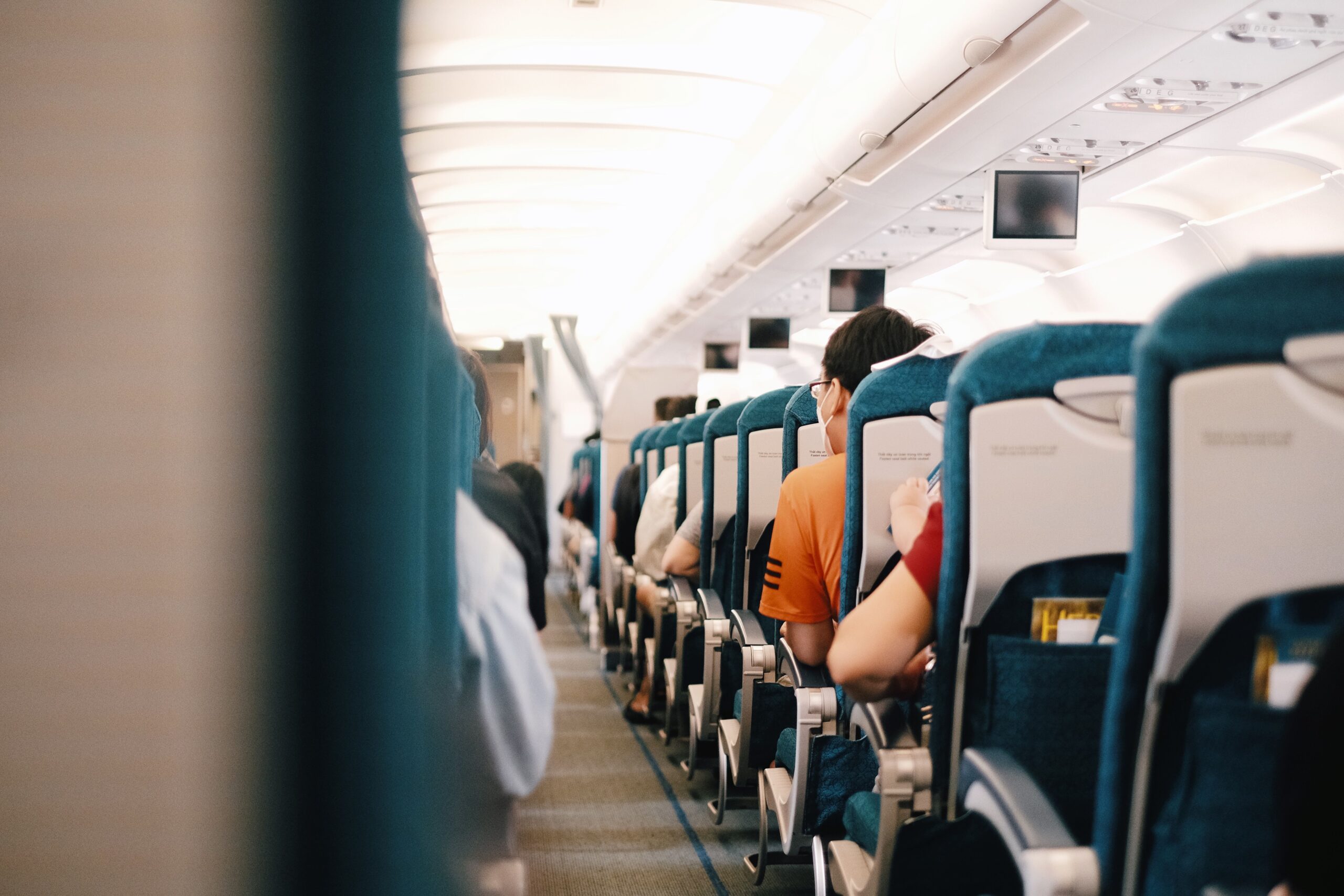
Picture this: I’m on a 13 hour flight on the window seat. My neighbours are asleep and I can’t get out. I turn on a movie to pass some time, I sleep, I eat, and repeat. I’m so focused on trying to pass the time that I’ve forgotten that I haven’t stood up in awhile. By hour 10, I start noticing my legs feeling a little stiff and cramped. There’s some tingling, maybe even a little bit of pain?
Uhhhhhh uh oh…
Is this a blood clot?
Luckily that wasn’t the case for me this time but it’s not a myth that going on long-haul flights can increase your risk of developing a blood clot (usually in the legs). Also known as deep vein thrombosis (DVT for short), these blood clots can form in the veins of your legs or pelvis and can cause a lot of discomfort. In worse case scenarios the clot can even break off and block blood flow to your lungs (Pulmonary embolism or PE for short).

But why does this happen?
If you’re stuck in economy class like me most times, you know how little leg room you get. This combined with being sedentary for 10+ hours is often a recipe for developing blood clots. The lack of movement in your legs, constant pressure of the seats pressing against your thighs, dehydration, and air cabin pressure can all contribute towards a DVT.
But that doesn’t mean everyone who is mostly immobile will get a blood clot while flying. For most healthy travellers, they usually do not need to panic about blood clots because their risk is relatively low even on long flights. But there are some people that may carry an increased risk or two such as people with:
- Birth control
- Heart conditions or medical condition that increases clotting
- Pregnancy or recent childbirth
- Obesity
- Personal or family history of blood clots
- Older age
- Recent surgery
See a complete list by the CDC here.
I’m not trying to scare you but if you fall into a few of the categories above then it’s better to be prepared for your flight rather than leaving it up to chance.

Signs of a Blood Clot
So I keep yapping about blood clots but how do you tell if you actually have one?
Symptoms of a DVT can look like this:
- Swelling, tenderness, or cramping usually in your leg(s)
- Pain
- Redness/discolouration of the skin
- Painful areas are warm to the touch
Pulmonary embolisms (PE) can look a little different like this:
- Sudden shortness of breath/difficulty breathing
- Coughing up blood
- Sharp chest pain
- Decreased level of consciousness or fainting
- Faster than normal heart beat
It is best to alert someone if you suspect this has developed while you are flying.
How To Protect Yourself

A lot of times we can’t change our risks (i.e. age, medical conditions) but that doesn’t mean we can’t take measures to prepare ourselves ahead of time for these long-haul flights to prevent a DVT.
Often times what I recommend to patients going on long flights to prevent a blood clots would be:
- MOVE – stretch your legs where you can even if you’re stuck in your seat. Extend the legs and calves and let the blood flow. If possible walk in the aisle at least every 2-3 hours. Don’t wait until your legs feel stiff to start moving, because by then you’ve probably already sat for several hours already. A quick walk to the washroom or the back of the cabin can provide so much relief and reduce your risk of getting a blood clot while flying. And if you can’t because the seatbelt sign is on then just do some heel stretches or ankle circles in your seat.
- COMPRESSION SOCKS – the compression that these socks provide on your legs help improve blood flow in your legs and reduce the risk of a DVT. A compression sock with a rating of 10-15mmHg should provide mild compression, but I would recommend speaking to a medical professional if you need anything stronger (especially if you fall into one of the categories mentioned earlier). Do you need compression socks? If you’re young and healthy, or taking a short flight then probably not. They’re mostly helpful for people with the risk factors that I’ve mentioned before or if you are going to be sitting for several hours with no plans on getting up.
- HYDRATE – make sure you are drinking water or juice regularly during your flight. I know it’s inconvenient to have to go to the washroom so often but staying hydrated will help keep your blood from becoming too concentrated and susceptible to clotting.
Sometimes I will get asked if you should take aspirin (specifically baby ASA 81mg) to prevent blood clotting. This is not recommended unless you have a condition that you are actually using it for and has been prescribed by a healthcare professional. Do not initiate this on your own as the risks can outweigh the benefits, unless you have spoken to your healthcare provider.
What if you’re already on blood thinners?
If you’re already on blood thinners then just continue taking them as prescribed. Your risk for a blood clot will definitely be lower if you’re on them. But make sure you are keeping them in your carry-on luggage and not your checked bag in case of your baggage getting lost. I would also never recommend taking extra doses before your flight unless you’ve been instructed by your healthcare provider.

The thought of a blood clot happening on a flight can be scary, but not something travellers need to be overly cautious about. If you have any of the risk factors I’ve mentioned then make an appointment with your healthcare provider or speak to a travel health specialist and see what you can do to help lower your chances of getting a blood clot while flying. I often remind people to worry less about what could happen during their flight and instead worry about how to keep themselves entertained for 12+ hours instead. Remember that for your next trip!