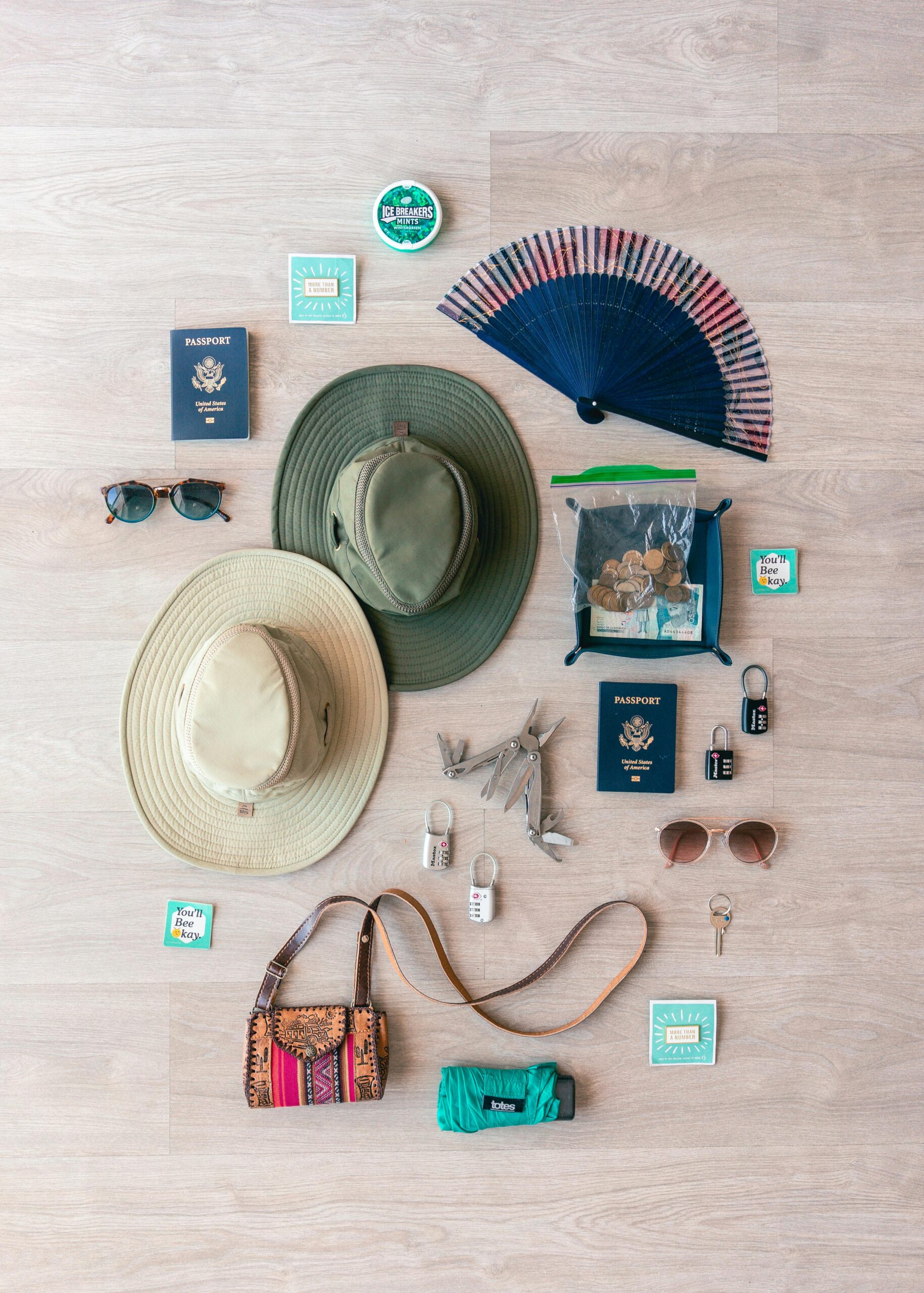
So you’ve clicked “buy” on those tickets you’ve been eyeing for the past few weeks, waiting for the prices to drop. But instead of feeling excited, suddenly you think “Oh god, I’m really going” and start wondering about everything you have to prepare for your trip.
Aside from the usual things like clothes and shoes, suddenly you stop and think…
“What about my health?”
As someone who deals with chronic headaches (and other things), the thought of my health issues interfering with my trip can also add another layer of stress when it comes to trip planning.
So this is my travel health checklist I always make sure to go through before every trip.
Travel Health Questions to Ask Yourself
Before I think about vaccines or medications, I start here.
Am I going to a resort or a jungle?
Different trips will have different risks. You need to understand the type of trip you’re going on to plan accordingly.
- Am I going to mostly cities or remote areas?
- How long am I going for?
- What time of year am I going?
- Why am I going?
- What activities am I planning?
This helps me figure out what actually matters for that specific trip without overdoing it.
Documents
- Copy of passport
- Travel visas/documents
- Proof of vaccination (if required for your trip)
- Travel insurance
- Doctor’s note (if required by airline, cruise, etc)

Travel Vaccines to Consider
One important side of travel health to consider are the vaccines you may or may not need for your trip. This is not going to be an extensive list of vaccines as these will vary depending on your health needs and your destination. I recommend you reach out to your primary care provider but these are what usually makes sense for me
The basics:
- Tetanus, measles
- Flu shot (depending on the season)
- COVID-19
Updating these basic vaccines before a trip just ensure an extra layer of protection, especially if you are going to be passing through busy airports.
For most international destinations I would also consider updating:
- Hepatitis A
- Hepatitis B
- Typhoid
Anything beyond that such as rabies, cholera, japanese encephalitis, etc would be up to discussion with my healthcare provider.
Quick note: this is just how I approach it. Your choice to vaccinate as well as which vaccines you need may be different depending on your health and destination. Read my post about if you need to see a travel clinic before you leave here.
Over-The-Counter Medications
I’ve been told I pack like a walking pharmacy… I mean I can’t help it, it’s just who I am.
Here’s what I normally like to bring:
- Pain relief (i.e. acetaminophen, ibuprofen) – for random muscle pains and headaches
- Prescription medications – won’t be easy to find these abroad
- Motion sickness – for all those travel days whether it be by boat, ferry, train, or bus
- Sleeping aids – Jet lag can be a real problem the first few nights in a different timezone
- Allergy meds – all it takes is for one stuffed nose, watery eyes, and skin rashes to ruin a day of your vacation
- Diarrhea treatment (i.e. loperamide and/or antibiotics) – very important if you have a weak stomach like me
I don’t like to make it too complicated, just common medications that can help solve small issues quickly. While you can probably buy these types of medications abroad, the quality of medications can’t be guaranteed and they may be in another language. I’d rather not have to figure this out while I’m already feeling sick.

Prescription Medications
If you’re managing a chronic health condition, this part matters a bit more as part of travel health considerations.
A few things to keep in mind:
- Bring enough medications the last the entire trip
- Check if your insurance covers extended supplies (especially for longer trips)
- Keep a list of medications with you
A tip coming from a seasoned pharmacist – If you are taking a lot of medications consider asking your pharmacist to blister pack your medications to make it easier to manage, instead of bringing multiple vials and potentially losing them.
If you want more details on travelling with specific health conditions, check out the CDC Yellowbook.
Supplies
These next few things are just some travel health items and supplies that give me peace of mind when abroad.
- First-aid kit
- Hand sanitizer
- Eye-mask and ear plugs (for some good sleep on the plane)
- Bug spray
- Sunscreen
- Travel insurance
Medical Devices and Supplies
If you use a medical device or supplies as part of your daily life, it is important that you get enough to last during your trip. Here are some that I often hear patients talk about:
- Diabetic devices (insulin pumps, blood glucose monitors, sensors, test strips, lancets)
- Blood pressure monitors
- Medication organizers
- Needles and syringes
- Compression socks
- Mobility aids (canes, walkers, wheelchairs)
If you have any device or supplies that you aren’t sure of you can also check out the TSA websites below or contact your airline directly:

In terms of travel health, the goal isn’t meant to prepare for every possible scenario, but rather enough to cover the basics so that you can relax and enjoy the trip. For another comprehensive checklist visit the official recommended packing list by the CDC here.
Packing for a vacation is always exciting when you get to think about all the great memories you will be making. But packing for your health can sometimes take a back seat amidst the excitement. So take a look at my comprehensive travel health checklist, and make your own adjustments based on your health needs. Also remember to always talk to your doctor at least 6-8 weeks before you leave for your trip in case your medical condition requires a bit of extra monitoring or if you need to get some vaccinations done.
I hope you enjoy your vacation!
Did I miss anything? Let me know!