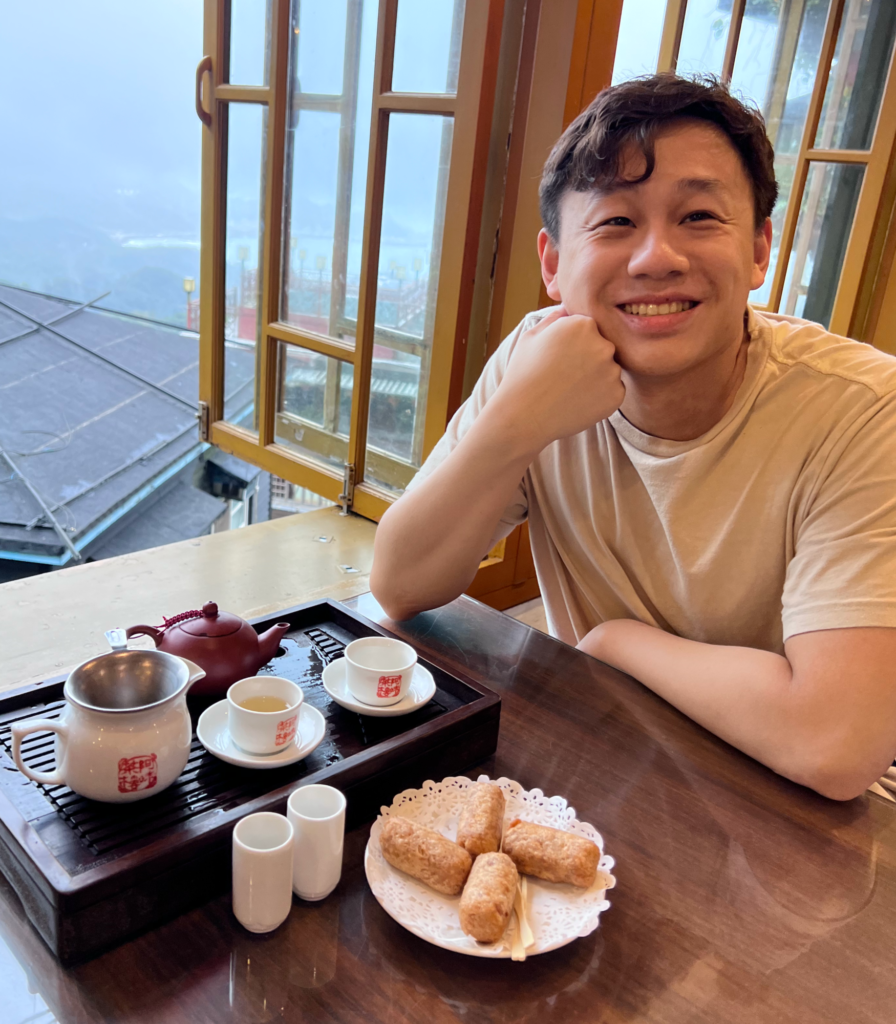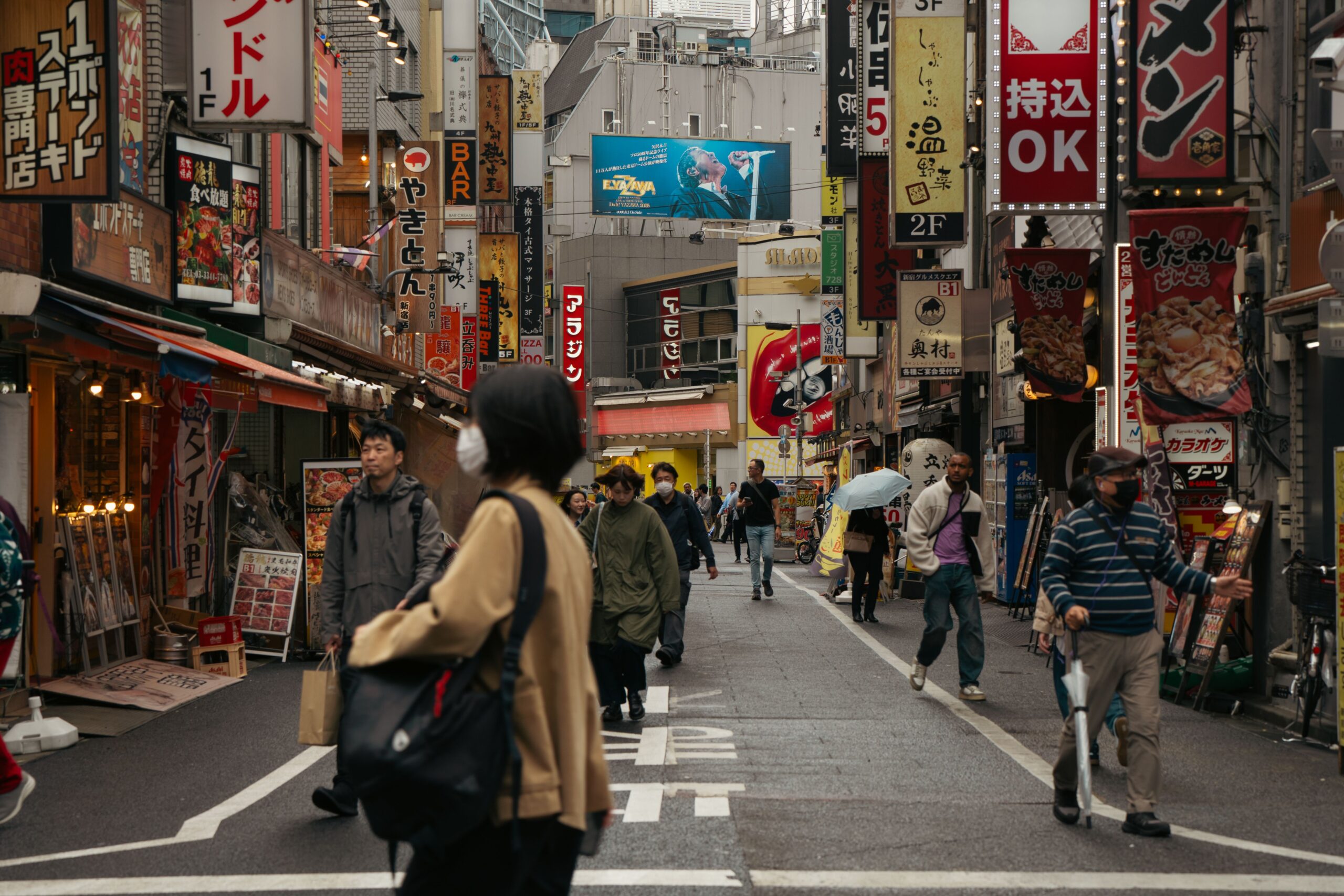
Tokyo is one of my favourite cities to visit in the world because it’s so full of life, great food, great shopping, and there’s so much to see and do. A lot of my fondest travel memories are in this city, but also one of my worst when both my partner and I got sick in Tokyo on our last few days there.
It started as a small sniffle with my partner which then became full on wheezing and coughing, and then passed onto me. Neither of us could breathe through our noses and we were having miserable sleepless nights for our final days in Tokyo.
We did go to a pharmacy to find something to help relieve our symptoms but were suddenly presented with new challenges. Obviously all of the packaging was in Japanese and despite being a pharmacist in Canada with high school level Japanese skills, I still couldn’t figure out what we needed.
We had to try our best to communicate with the Japanese pharmacist there using Google translate and ended up getting a drug that I did not recognize. What made it even more confusing is that the pharmacist made us sign a form to basically say we are not taking this medication out of the country to sell, which really made me question it. I was so thrown off because I couldn’t think of an equivalent medication in Canada but out of desperation for relief I took it anyway.
The moral of that story is: Don’t do what I did and come prepared in case you get sick in Tokyo.
What Should You Do if You Get Sick in Tokyo?
Being able to assess what level of care you need should come first so that you can seek the appropriate treatment.
For minor illnesses like mine, usually just going to a local pharmacy, getting rest, and staying hydrated until it passes is the best course of action. If you plan on going out, wear a mask so that you don’t make another poor soul go through what you’re going through.
For more moderate to severe illnesses (for example multiple episodes of diarrhea and vomiting), I would still recommend getting rest and staying hydrated, but also seeking treatment from a healthcare professional. Symptoms that are worsening or persistent, or interfering with your ability to eat, drink, or function, can sometimes be the result of an underlying cause. Having a healthcare provider examine you for appropriate treatment may be warranted to see if you need further testing, prescription treatment, or supportive care.
> Some examples of when I would recommend seeing a doctor:
- Persistent vomiting or diarrhea
- High fever
- Blood in your stool or vomit
- Severe abdominal pain
- Difficulty breathing
- Symptoms that are rapidly worsening
And lastly for medical emergencies it is best to contact the EMS service if possible. 119 is the number for fire and ambulance services in Tokyo.

Where can Tourists Find Medical Care in Tokyo?
If you are experiencing minor symptoms like a cough or cold, you can do what I did
> Go to the nearest pharmacy or drugstore and get help finding something over the counter
> I don’t have a specific pharmacy to recommend but going to one in a tourist heavy area will usually help with any potential language barriers
If you find your symptoms are worsening and are impacting your daily activities:
> Find a medical clinic so that your symptoms can be properly assessed and appropriate medications can be prescribed.
For serious or rapidly worsening symptoms, as well as life-threatening emergencies:
> Call 119 to get an ambulance – They should have interpretation services available

English-Friendly Clinics in Tokyo
If you’re already feeling sick in Tokyo, let me take some of the stress off of finding a clinic that may be able to help international patients. I’ve put together a few clinics that can offer services in English to foreign visitors.
Conveniently located within the JR Tokyo Station and they accept walk-in patients and can even do a house-call if required.
This clinic has international doctors and includes many services such as primary care, gastroenterology, and many more.
This clinic boasts medical interpretation in 32 different languages and allows virtual consultations as well as in-person appointments.
I haven’t personally visited these clinics so I can’t speak to their quality of care, but they are a great starting point for you to see if they are what you are looking for. If you need more options, the Japanese National Tourism Organization (JNTO) has a great list that you can search through here.
JNTO’s medical facility search allows you to filter by things like location, language, payments, medical specialties, and emergency room availability so definitely check it out. Just remember to always call ahead to confirm if they can treat your problem and if you need to make an appointment.
Language barriers can sometimes lead to delayed medical care so I would also recommend you save a note in your phone or on your person of your medical conditions and list of medications. While the medical clinics in Tokyo listed above do offer services in English, being able to pull out a list of your medications and conditions will make the consultation go much more smoothly. I also recommend keeping a translator app handy like Google Translate just in case.
If you are staying in a hotel, the concierge is also another great resource that can help you locate a clinic and possibly help you translate as well.
What I Would Do Differently Next Time
Even though Tokyo is considered a low-risk destination from a travel health perspective, it never hurts to be a little prepared for your health.
- Pack the Medications You Already Know Work for You
Packing my own cough and cold medications would have definitely been more helpful than stumbling to find a pharmacy in Tokyo and guessing what over-the-counter medications might work. If a pharmacist with amateur japanese language skills like myself is struggling to find the correct medication then I think the average person’s chances won’t be much better. Packing the medications you have tried before that you know work for you will give you peace of mind because there is no guesswork involved.
And I know I’ve mostly been using cough and cold as an example so far, but if your illness is related to a medical condition then you definitely want to be bringing your own prescription medication instead of trying to find something similar abroad. Make sure you pack enough to last you the entire trip and a bit extra in case of any delays. Check out my Travel Health Checklist for a complete packing guide.
- Travel Insurance
I always like to make sure I have travel insurance when I go abroad. Some credit cards include travel insurance but I recommend you double check with them to see exactly what kind of situations or conditions they cover. Don’t assume that your insurance will automatically cover everything.
If your credit card doesn’t include travel insurance or it doesn’t cover your medical condition, shop around for an insurance company with a plan that works for you. Before you leave, save your insurer’s emergency assistance number somewhere easy for you to access in case you need medical support. They may be able to help direct you to an appropriate medical facility in Tokyo and arrange payment as well.
Protecting yourself from an illness that hasn’t or most likely won’t happen may seem like an unnecessary expense when travelling in Tokyo, but you’ll be so glad to have it if you ever do need it.
- Learn the Words You Might Need
No you don’t need to learn the entirety of a new language just for a 2 week vacation. It would be helpful if you can learn basic phrases or words to help you navigate language barriers abroad around your condition. If you have diabetes for example and end up having an episode of low blood sugar, it would greatly help the people around you to understand what is going on since you’d probably be too out of it to be pulling up your translator app.
Some of the words or phrases I find helpful to save in your phone include:
- “I have [medical condition]” – 私は[condition]があります – Watashi wa [condition] ga arimasu.
- “I am allergic to [allergy]” – [allergy] にアレルギーがあります。- [allergy] ni arerugī ga arimasu.
- “I need a doctor” – 医者が必要です。- Isha ga hitsuyōdesu.
- “Help me” – 助けてください –Tasukete kudasai.
- “Call an ambulance” – 救急車を呼んでください。- Kyūkyūsha o yonde kudasai.

I’m not expecting you to be an expert in the language but some basic phrases and words can go a long way in reducing any delay in medical care.
Getting sick in Tokyo is probably the last thing I would want when I am planning a vacation. Even though I made it out with a pocket full of used tissues and a medication that I still don’t know to this day, it definitely would have helped if I had come a little bit more prepared.
But getting sick wasn’t the major issue. It was trying to find proper care in a language I couldn’t navigate. By coming to Tokyo with a basic plan, it could have saved me so much stress instead of fussing around finding medications while I’m already feeling sick.
So pack your bags with the medications you’re used to, keep your insurance information handy, and have a way to communicate your medical needs. Because if you do end up sick in Tokyo, you won’t have to figure everything out while standing in a Japanese pharmacy with a box of medication you can’t read.